
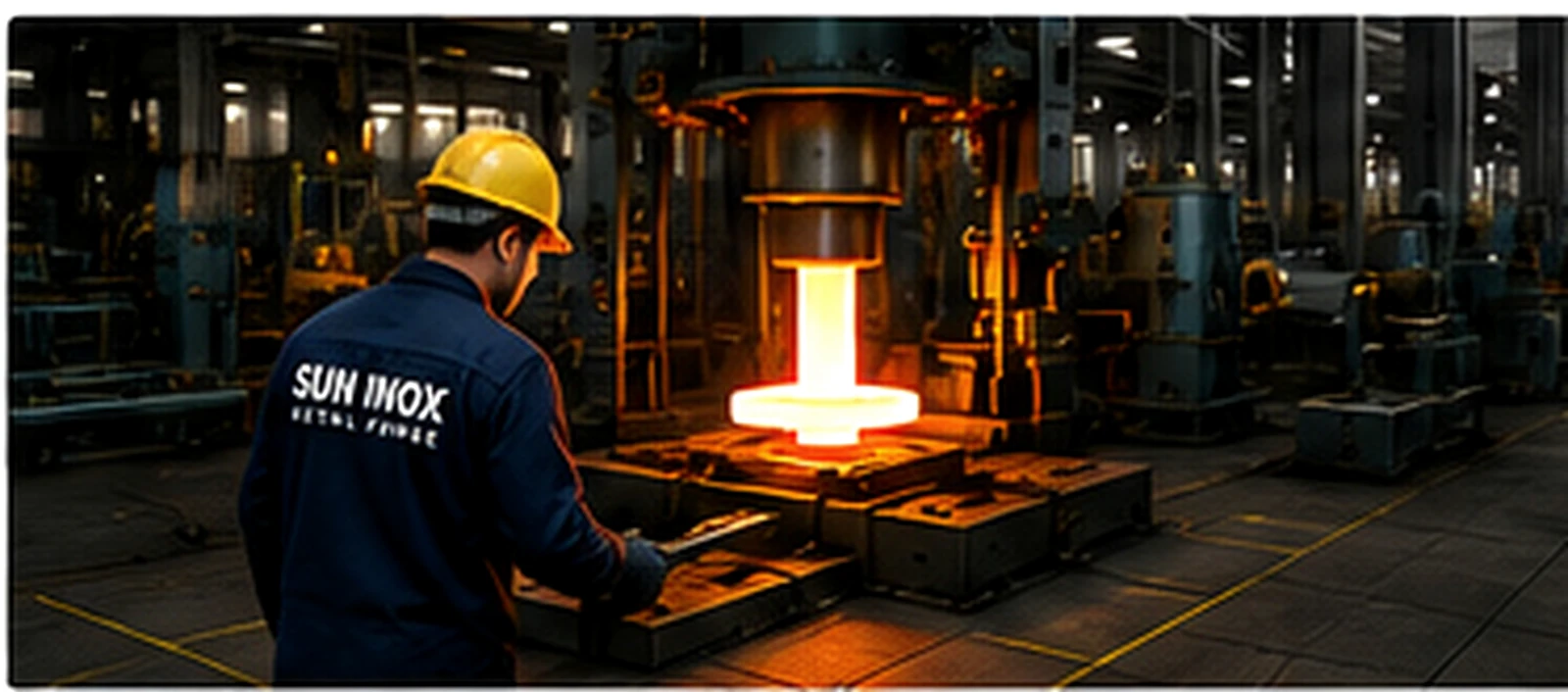
Precision forging is not simply the act of shaping heated metal. In demanding manufacturing environments, it is a controlled engineering process in which material behaviour, tooling, temperature, deformation and inspection all influence the final component.
From material to controlled form
The manufacturing journey starts with understanding the required component and developing a repeatable method for producing it. Tooling, process planning and forming conditions help determine whether the forged shape can consistently meet the intended requirements.
Precision is created through the process — not added only at the final inspection stage.
Why process discipline matters
Forging is followed by operations such as heat treatment, machining and inspection. Each stage needs defined parameters and verification because variation introduced early in the process can influence later operations.
Engineering capability under one workflow
When process development, tooling, forging, finishing and quality activities are treated as one manufacturing system, teams can improve repeatability, traceability and communication across the production journey.
Indigenous manufacturing capability
Developing manufacturing know-how locally strengthens engineering capability, supports faster learning and creates a stronger foundation for reliable domestic production.